
If you’ve been inspecting for more than a couple of days, it is quite likely that you’ve already encountered a problem. Problems are a way of life for small business owners, and, let’s face it, problems suck.

Problems usually mean that, one way or another, someone is extracting a pound of flesh from us. We’re likely going to end up having to spend some of our hard-earned personal capital in order to make someone else, the person that thinks that we’re the one responsible for their problem, go away.
Problems often cost us more than simply our hard-earned cash. It’s quite likely that we’re going to have to use up some of our own time when dealing with a problem. In addition, we’re likely going to suffer through the emotional, physical, and psychological angst that comes along with dealing with problems.
We’re also going to have to work through the stress that results from spending countless hours inside our own head, beating ourselves up what we think we should have done instead. Then there’s the potential hit that our hard-won reputation is going to take on the social channels.
All in all, yeah, problems suck. In one way or another, or in all these ways lumped together, having problems means enduring the pain that comes along with them. But, if you’re running a business and dealing with the public, there’s no way around it.
Eventually, we’re all going to have problems.
And while they do suck, that doesn’t mean that there’s no value to be had in working through those problems. They may end up costing us something, but we should never let a painful experience pass by without learning something from it.
It makes sense for us to stop for a moment, once the situation has passed, and take a good look at the entirety of the situation. Especially if the problem cost us money, we should sit down and analyze the entire proceedings, looking at what happened and how we responded to it. We should ask ourselves a few questions, in an attempt to gain some clarity and better insight into how to handle similar situations in the future.
What was the complaint really about?
What did I do right?
What did I do wrong?
What was the client thinking?
What should the client have been thinking?
What can I do to increase the chances that the next client will have a mindset that will better serve my future interests?
What changes can I make in my process to lessen the chances that I find myself in this situation again?
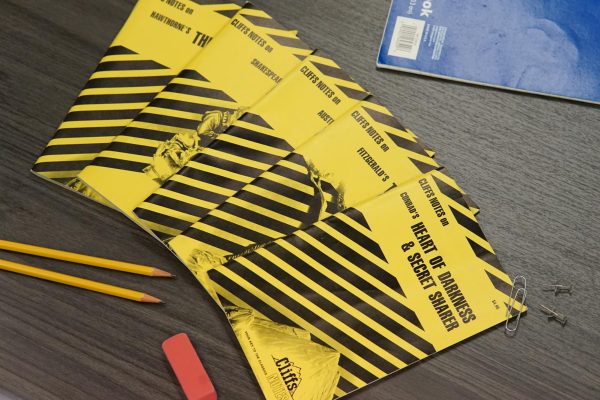
A good approach would be to come up with a Cliffs-Notes version of the story and share it with some other experienced inspectors. Ask for their input on your situation and whether they would have made different decisions had they been in your shoes.
Ideally, we would discover some better ways to deal with similar situations in the future. We should work hard to figure out what we could have done (and what we could have included in our report) that would have neutralized this whole situation before it even got started.
We’re already expending valuable capital to try to remedy an issue; why spend money without getting some benefit from the outlay? We should never let a situation like this pass without trying to learn as much as possible.
One way or another, problems cost us something.
We might as well get some value for our money.
Would you like to get an email every Friday where we share the newest things we’ve discovered about home inspections? CLICK HERE to sign up.
Want to be an Influencer in Your Field? Share This Post!
Thanks, Joe